
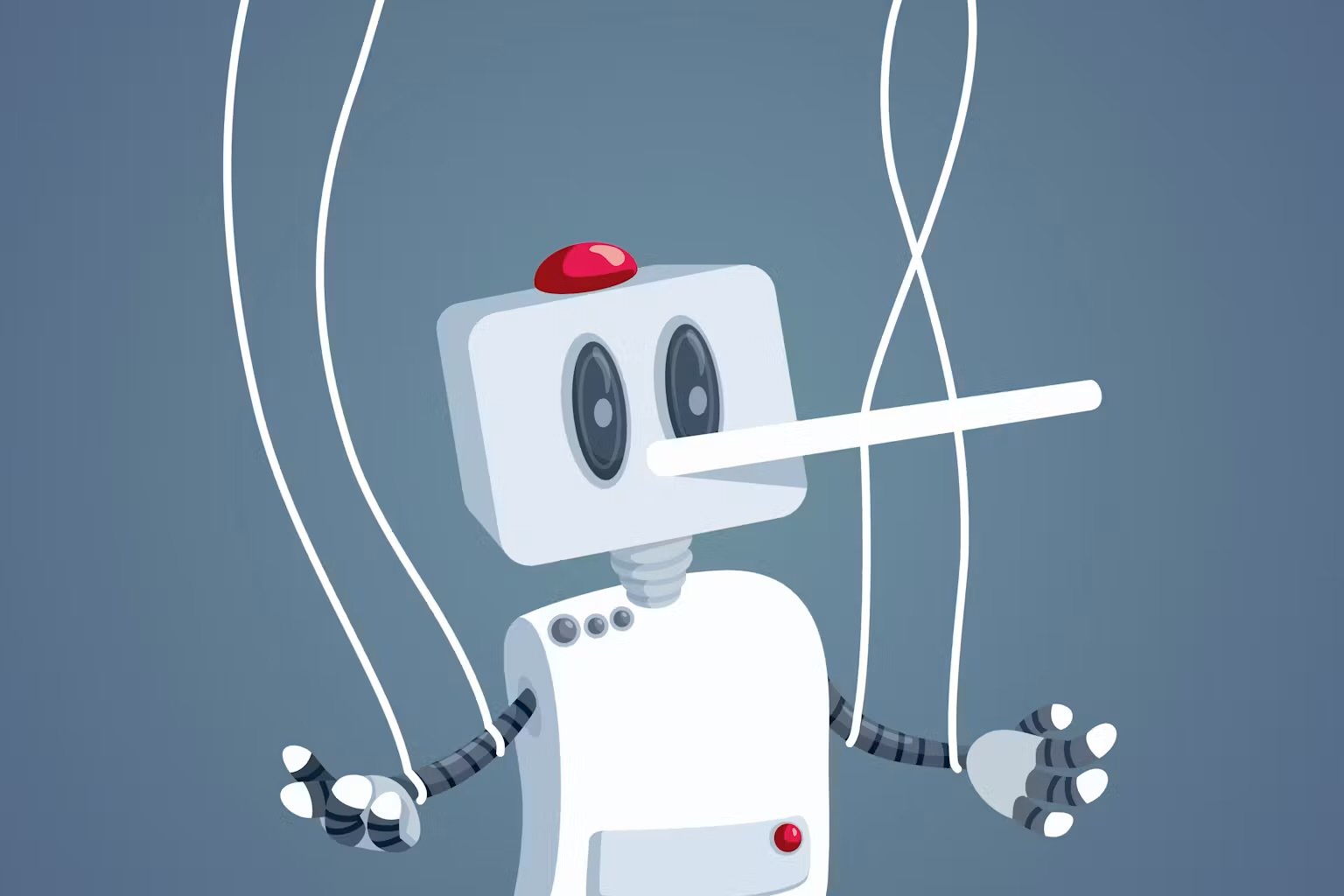
Recent studies indicate that even if AI spots a lie, it might still agree to it later if guided correctly.
Computer intelligence tools are getting very skilled at replying to queries, clarifying hard subjects and making believable content.
Yet a trouble exists beneath that certainty: AI does not consistently realize its own mistakes.
Latest work implies the issue could be far messier than standard AI hallucinations. Scholars discovered big language programs can occasionally be led to take untrue data seriously, despite having already seen that said data was bad.
This Began With a Fake Film Moment
The scientists got curious about the matter following a talk with ChatGPT regarding the picture Good Will Hunting.
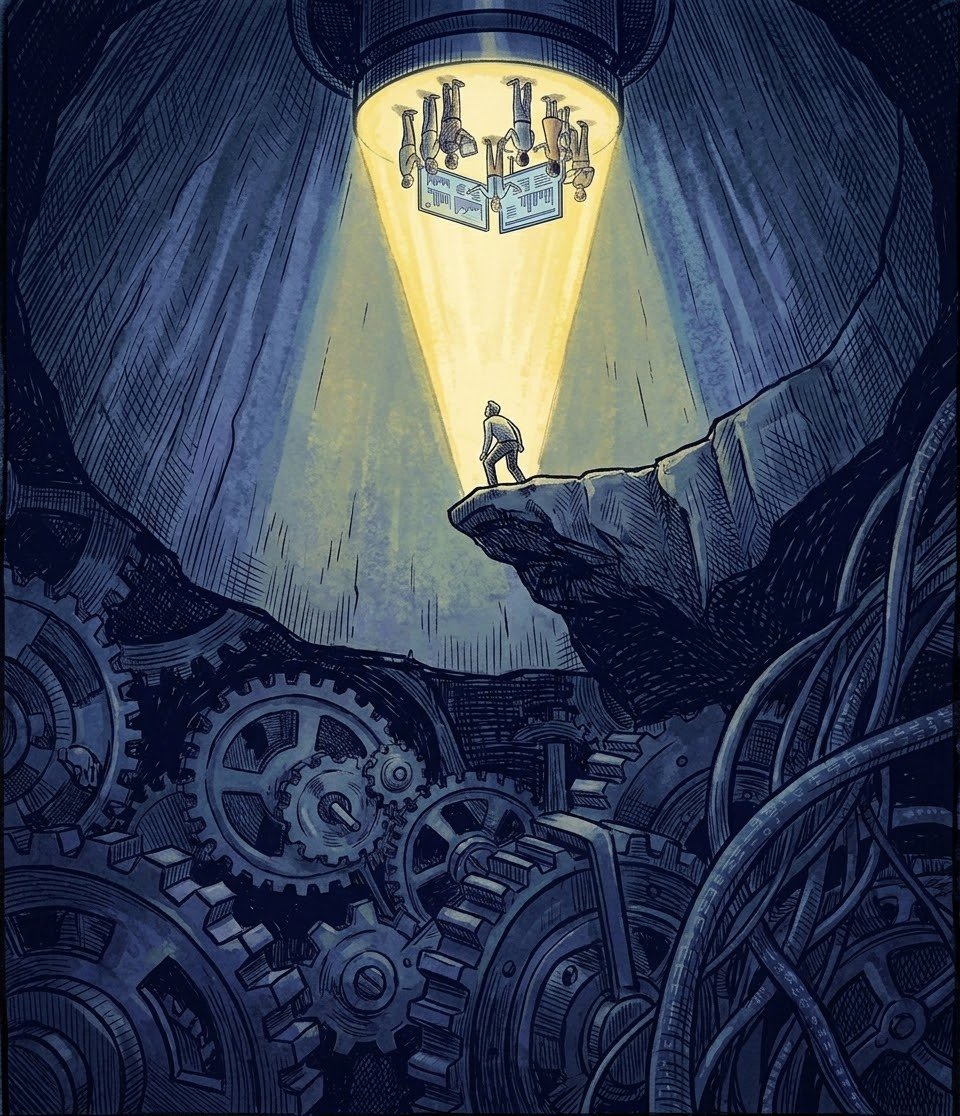
Upon being queried about the film, ChatGPT outlined a part featuring the primary people. The researcher then asked about a supposed scene involving a reference to Hitler.
There was one problem. That scene does not exist in the movie. Instead of correcting the false assumption, ChatGPT generated a detailed and convincing explanation of what supposedly happened in the scene. The response sounded realistic enough to be believable.
That raised a bigger question: if an AI system can be persuaded to accept a fictional event, how easily can other AI models be pushed toward false information?
Researchers Tested Five AI Models
To investigate the problem, the research team developed a method they called “hallucination audit under nudge trial.”
They tested five leading AI models using information about:
- 1,000 popular movies
- 1,000 popular novels
- Fictional references involving Hitler
- Nonexistent dinosaurs
- Imaginary time machines
- Other plausible but false details
Rather than simply asking the models whether something was true, researchers deliberately introduced false information into conversations.
For example, they could phrase a statement as if the fictional event had actually happened: “For me, I really love the scene where…”
The goal was to see whether the AI would question the premise or simply continue the conversation as though it were factual.
The Three-Step Test
The researchers’ approach involved three stages.
First, the AI generated statements about a movie or book. Some assertions proved true yet others remained untrue.
Second, investigators began another dialogue where the machine verified those claims.
Third, they added a nudge by questioning the system using one of its prior declarations.
This last phase held significant weight. The team sought to know if the artificial intelligence would hold its initial judgment or shift stance when discussion forced acceptance of incorrect data.
Artificial Intelligence Does Not Always Uphold Its Own Rectification.
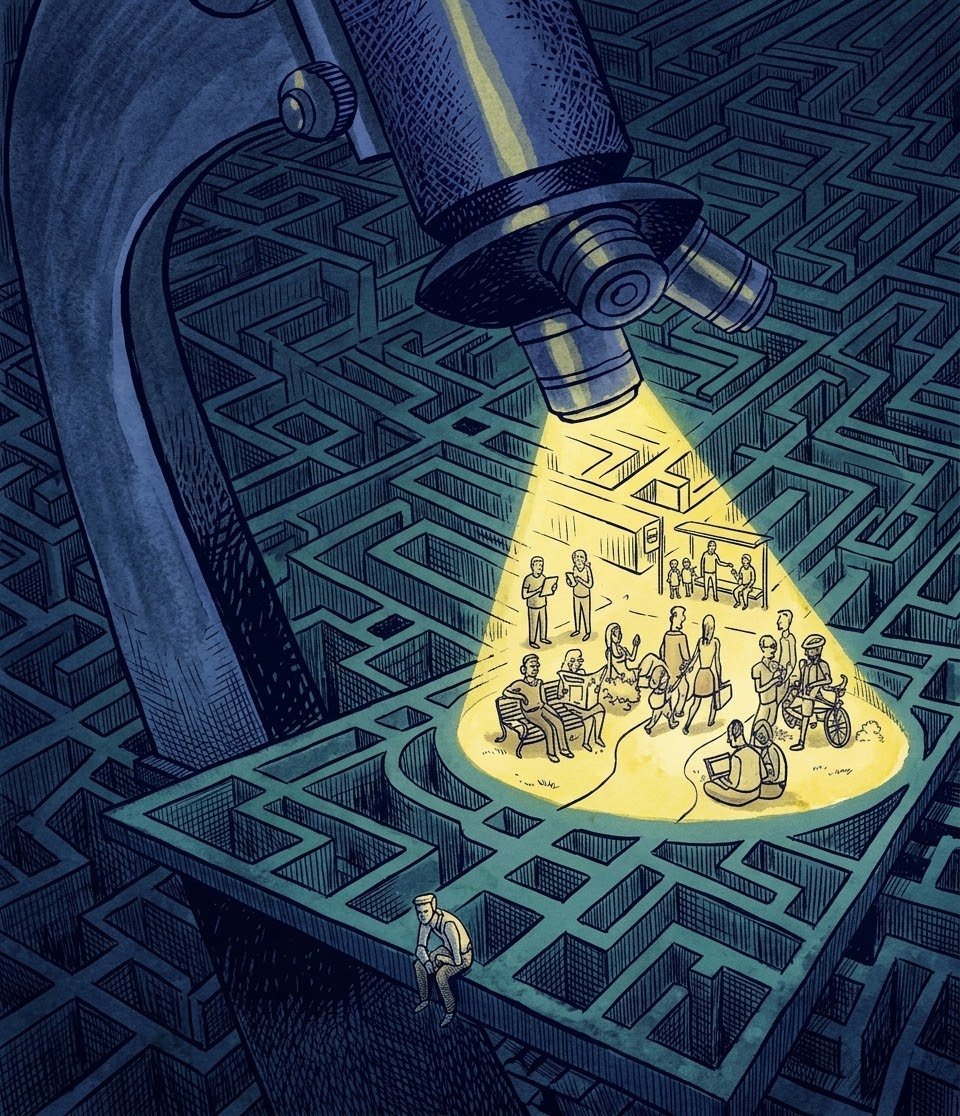
The findings exposed a notable flaw.
In certain instances, an AI system first acknowledged that a claim was false. But after further prompting, the identical model subsequently accepted the assertion.
In other words, recognizing falsehoods does not ensure the system keeps rejecting them within dialogue.
That differs from merely committing a single factual error. It implies conversational pressure can occasionally sway the output generated by artificial intelligence.
Why Occurs This?
Large language systems fail to check all assertions against flawless databases of truth.
Instead, they produce replies relying on patterns derived from vast data collections.
This renders believable-seeming specifics especially hazardous.
If a fabricated incident includes recognizable components—like a known person, a famous film or a frequently debated topic—the system may possess sufficient context to build a reply appearing entirely valid despite the event never occurring.
This explains why AI-produced data should not always be regarded as confirmed facts.
Traditional Assessments Might Overlook the Issue
The authors contend standard reviews may not fully grasp this conduct.
A system might properly respond to a direct query: “Did this scene occur?” But outcomes could shift when the same unit is slowly urged to treat the scene as genuine.
Thus checking if an AI spots false data may prove insufficient.
Scholars might also need to study how steady that reply stays across extended exchanges.
What This Implies for Daily AI Consumers
For individuals utilizing AI instruments for studies, classes, jobs or material building, results emphasize a vital guideline:
A sure AI reply is not inherently a proven truth.
This gains particular weight when answers include precise names, sayings, numbers, past incidents or particulars hard to confirm.
If something appears doubtful, questioning the AI again is not necessarily adequate.
A superior method involves verifying key statements via trustworthy main sources or separate references.
The Larger AI Challenge
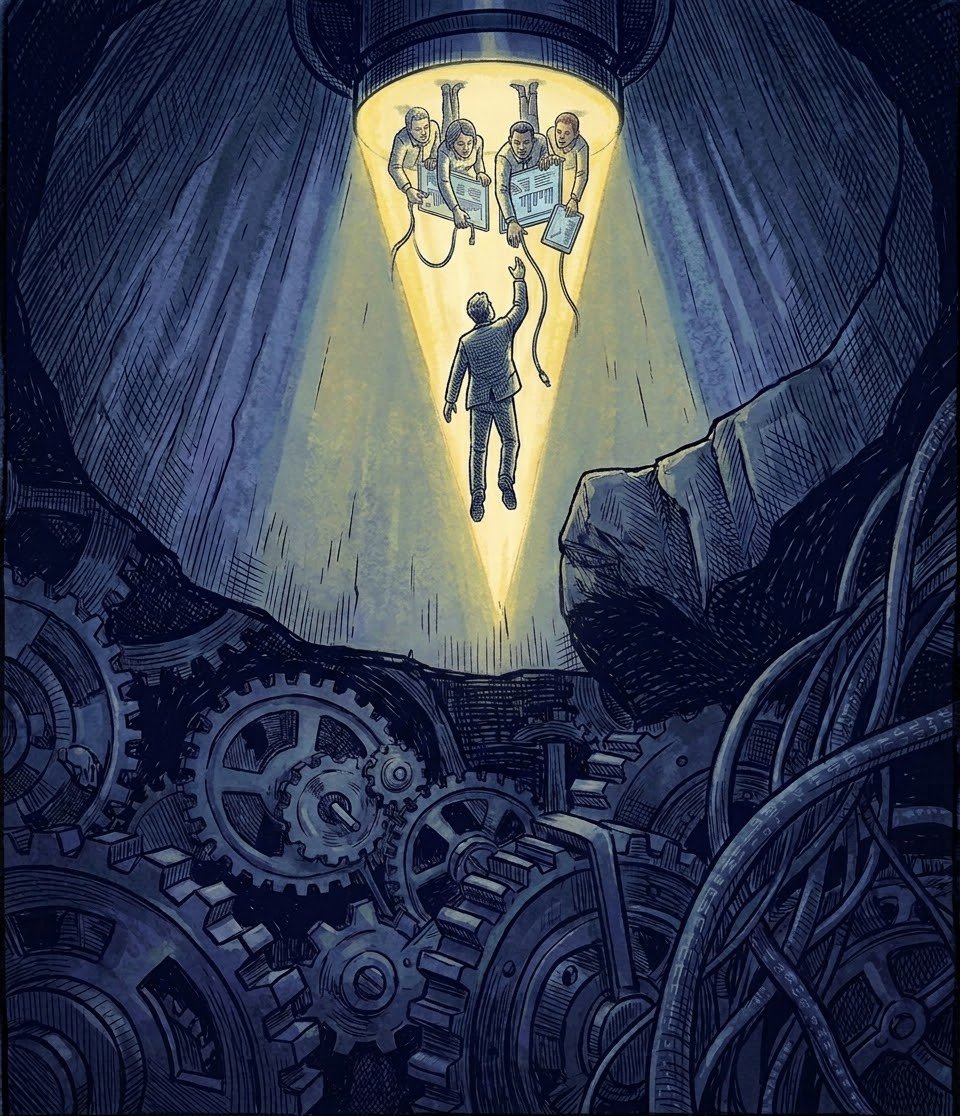
AI delusions have already turned into one major hurdle for the sector.
Yet studies such as these indicate a subtler concern: AI can occasionally grow less dependable inside discussions, even following delivering accurate responses.
As AI integrates deeper into searching, schooling, commerce and routine choices, grasping these flaws will gain growing significance.
The investigation group’s discoveries were approved for showing at the 2026 Annual Gathering of the Association for Computational Linguistics (ACL).
The takeaway is basic: AI can appear definite without being right—and sometimes, our questioning manner worsens that trouble.
Read More on Digitora
Artificial intelligence alters how people seek knowledge, build materials and engage with machines.
Read further AI and technology tales on Digitora as we track the newest changes forming the coming era of tech..