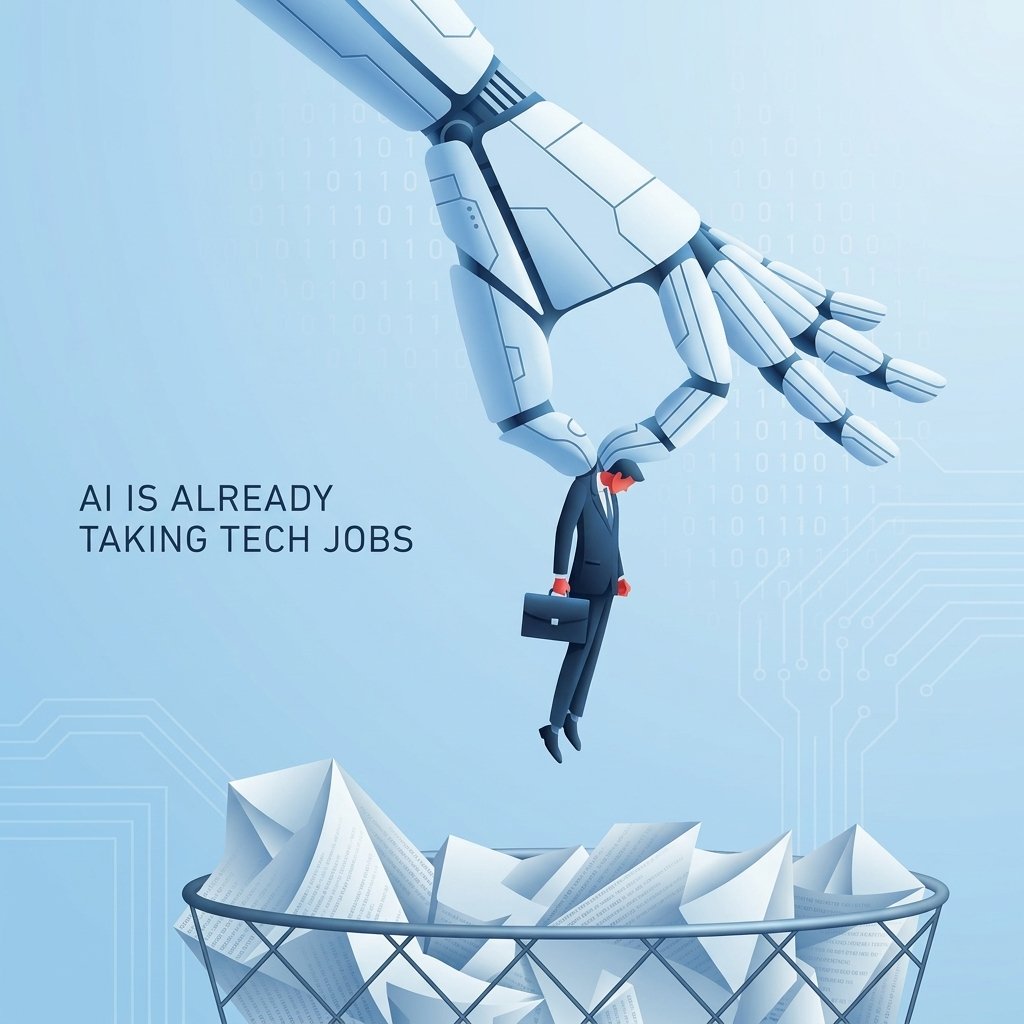
Artificial intelligence is changing the structure of work faster than many may expect.
Since the arrival of AI-driven tools to write emails and analyze information, generate images and create code, and more, debates about the future of work for countless people have only gotten louder: Will AI take my job?
The truth is, it is not as simple as singling out specific professions for removal.
Those with lots of easily-automatable tasks may find that their job is transformed, but many require more nuance or physical motion for AI to realistically take over.
Additionally, being exposed to AI does not equal being replaced by it.
What Qualifies a Job as Exposed to AI?
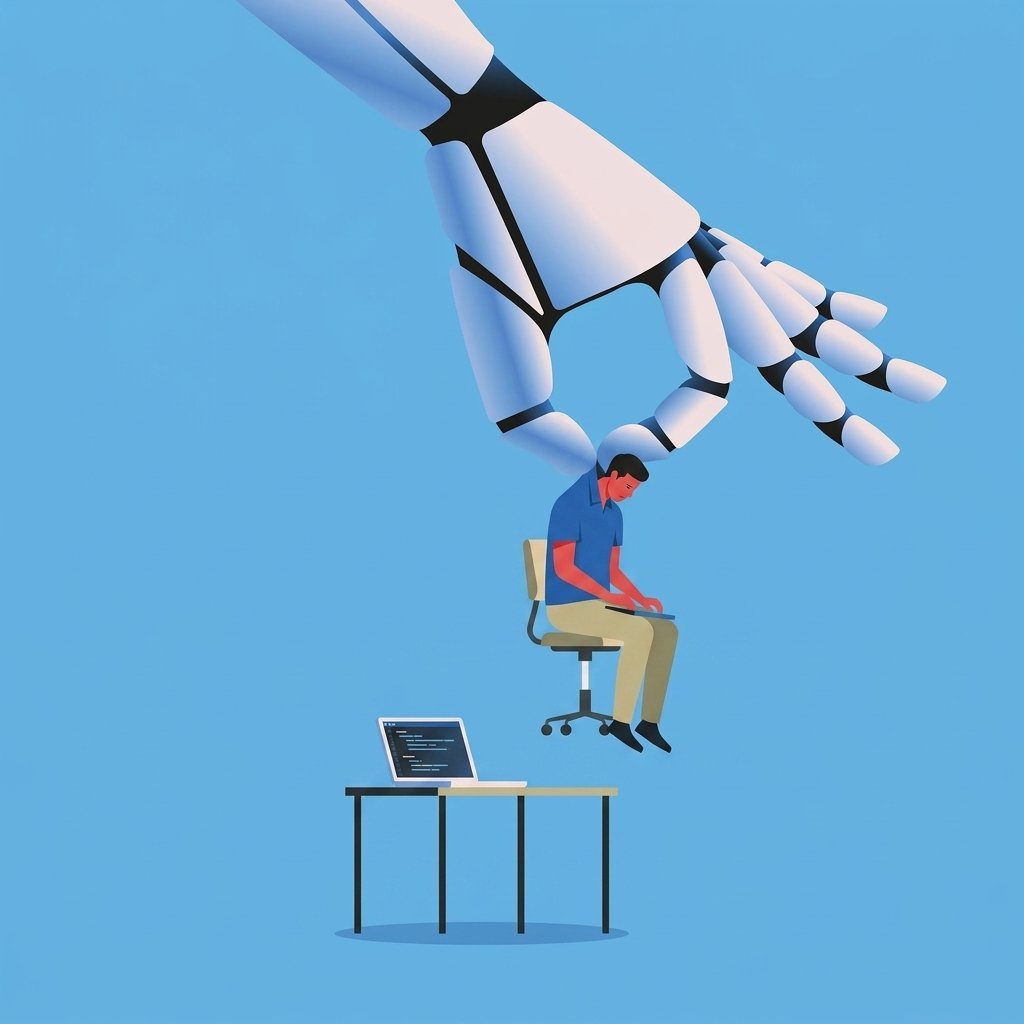
Researchers generally agree that determining how susceptible a certain profession is to automation or assistance from artificial intelligence depends on how many of its functions can be automated or performed.
For instance, AI can perform many common computer tasks, including:
- Analyze data
- Generate content
- Summarize information
- Work with spreadsheets
- Write and debug code
- Generate images and other media
- Provide customer support
- Search for information
As such, many professions related to computers, writing and information analysis are more susceptible to change than others.
Note that exposure does not always equal replacement, however.
AI may simply assist workers rather than replace them entirely.
Which Jobs Are Most Exposed to AI?
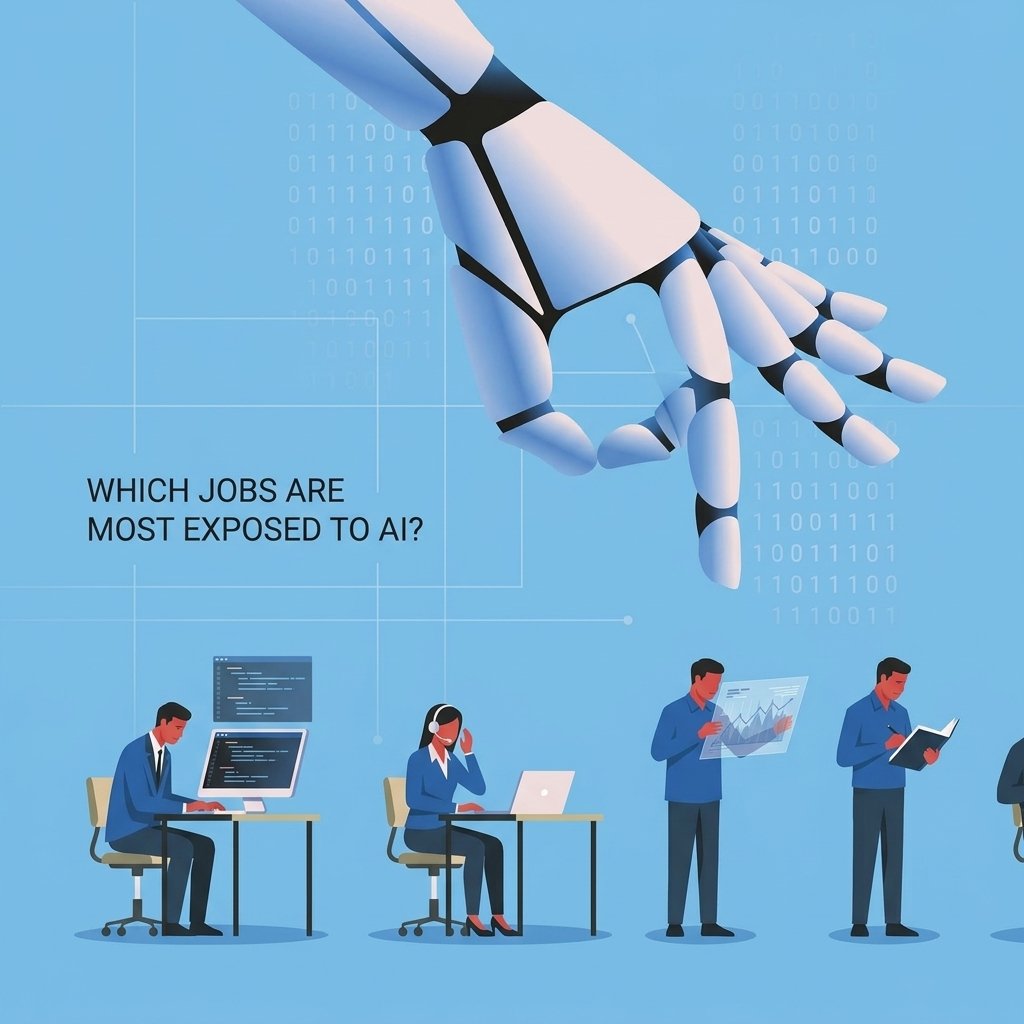
Professions that involve working with computers, managing and analyzing information, generating content and performing other easily-automatable tasks are more likely to change with the rise of generative AI.
Among such occupations are:
Information and Data Jobs
Working with information is a large part of many careers.
Those in data analysis, data-entry and other similar professions may find that AI can perform some of their more routine duties, including generating reports or analyzing spreadsheets.
This is not to say that these workers will no longer be in demand, however.
Rather, they may find that they spend more time reviewing information than analyzing it.
Writing and Content Creation Jobs
Writers, editors, technical writers and those in related occupations may be especially susceptible to the rise of AI.
Such tools can generate text, summarize reports, rewrite articles and more, drastically changing the writing landscape.
It should be noted that there are still many duties that writers cannot outsource to an AI assistant, including research, fact-checking, creativity and understanding of context.
As such, while writing jobs may change, they are unlikely to disappear.
Software and Web Development Jobs
Developers and other software engineers may also be in for a significant transformation.
AI assistants can create coding algorithms, explain technical terms and debug programs, all of which may change the nature of web and software development. They are unlikely to make such occupations completely unnecessary, however.
This is because developing software is more than simply writing code.
It also requires knowledge of architecture, security, testing and the business side of development, all of which computers are not yet fully capable of handling.
Customer Service Jobs
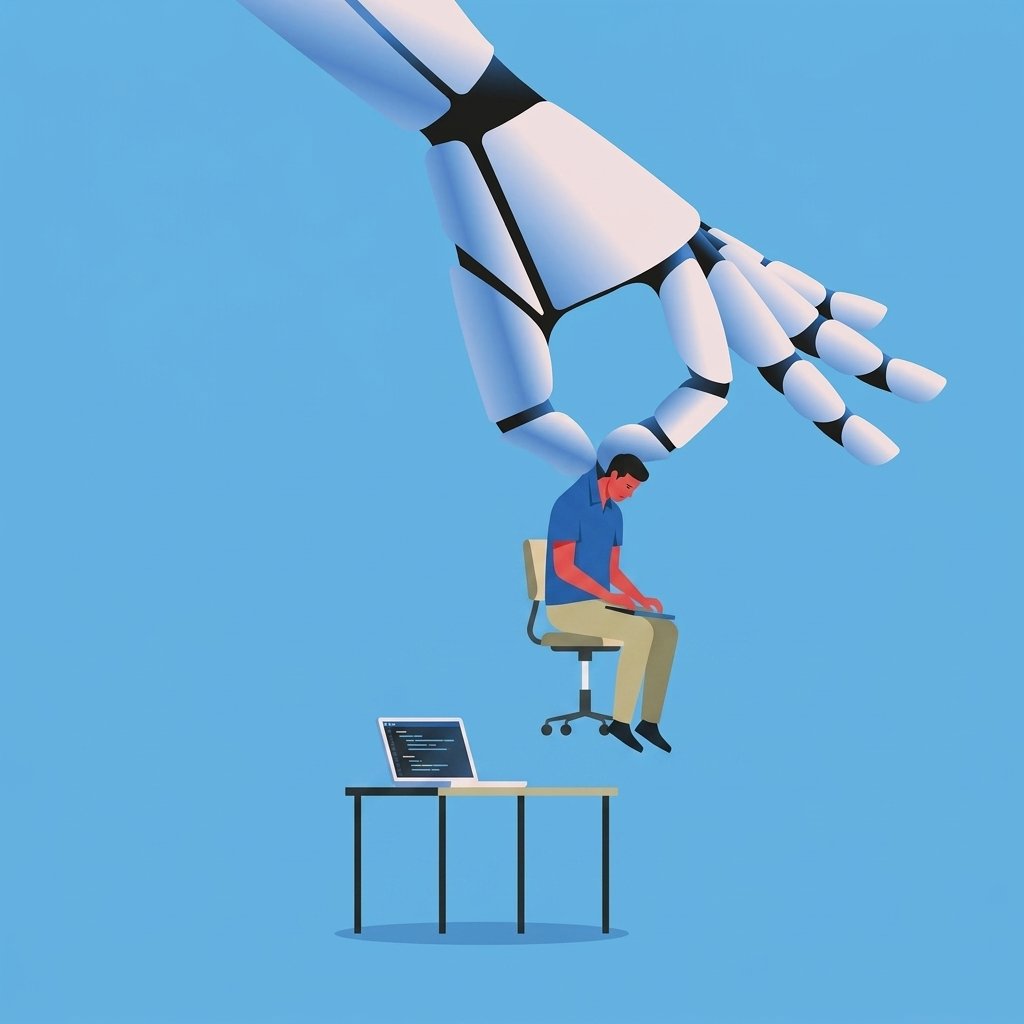
Customer service employees generally handle routine requests or answer frequently-asked questions.
This makes their jobs somewhat susceptible to automation, as AI assistants can handle many basic requests without requiring additional support.
In addition, such tools can search for knowledge from external sources, further minimizing the need for human input.
Note, however, that for more complex issues requiring more complex solutions, customer service representatives are still needed.
Are Jobs That Require Physical Interaction Less Susceptible to AI?
Many occupations are much more physical than the ones described above.
They include construction, electricians, plumbers, childcare, caregivers, firefighters, cleaners, health care workers and more.
Such jobs are generally less susceptible to automation or assistance from artificial intelligence.
While AI tools can certainly help such occupations, for instance by providing scheduling support, they are unlikely to fully replace a human ability to perform physical tasks.
This is because such tasks generally require robotics and other advanced equipment to replicate.
In turn, that requires much more equipment and energy to operate, which is not feasible in many such environments.
AI Tools Can Displace Certain Tasks, But Not Necessarily an Entire Job
Tasks performed in a job can be separated as much as entire occupations.
As such, while AI tools may assist in some, they may not be able to replace others.
A good example of such an occupation is a marketing professional.
AI tools can generate keywords and related content, but the marketer still has to create content, develop a strategy and monitor performance, which requires much more nuance to perform.
As such, an AI tool can change the nature of a job, but rarely remove it altogether. Note, however, that the degree to which it changes the job varies from person to person, depending on their profession.
Most Jobs Will Likely Be Changed, Rather Than Displaced Altogether

History has shown that any new invention will change the jobs that use it, rather than wiping them out completely.
Computers, the internet and cellphones all had major impacts on how certain occupations were performed, but did not remove them.
The same appears to be the case for generative AI.
Instead of asking “Will AI take my job?”, a better question may be “Which aspects of my job will AI influence?”.
This is an important distinction because those who know how AI can influence their occupation may be able to use it to increase their productivity.
For example, if a marketing manager used to spend hours upon hours developing keywords, putting that into practice and then generating reports, an AI tool can help them reduce the time spent on this task.
In turn, they can focus more on the higher-impact aspects of their profession.
AI Proficiency Is Becoming More Important than Ever
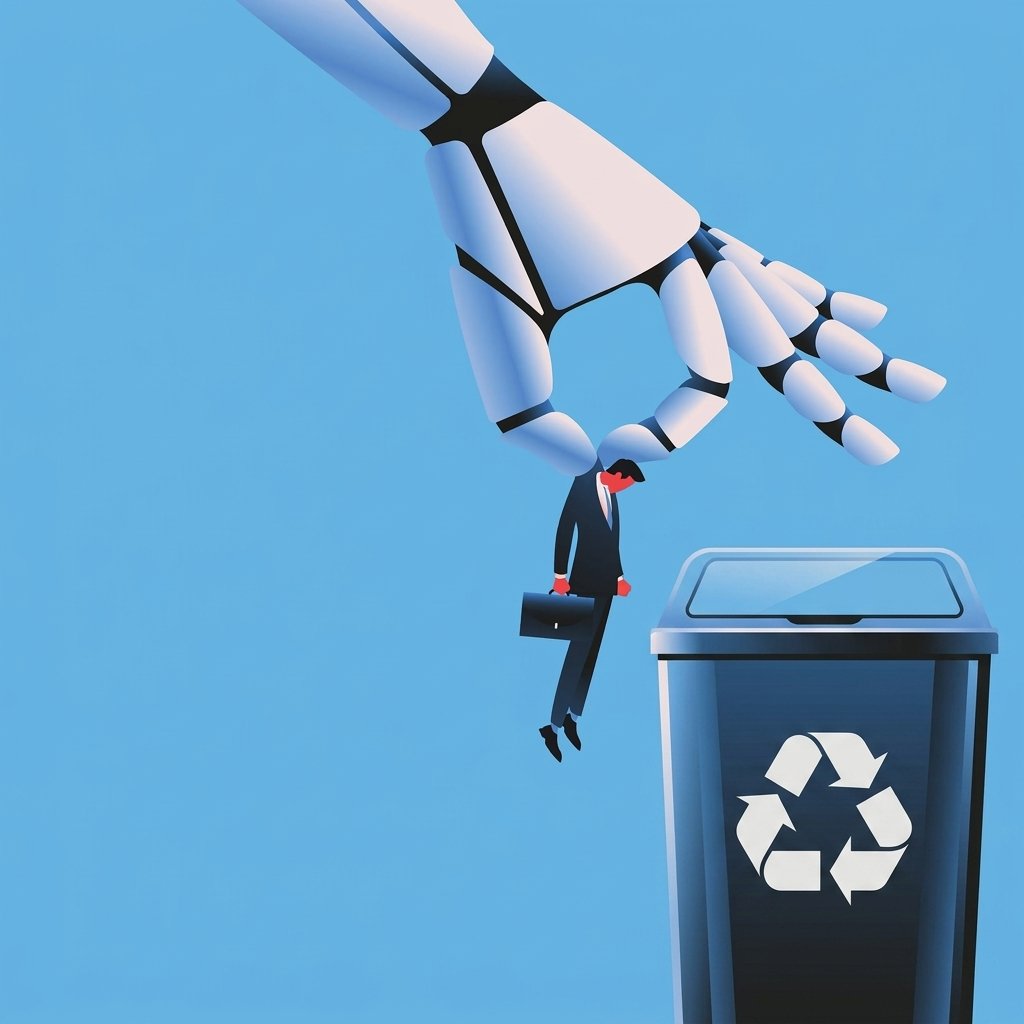
In many ways, understanding AI and knowing how to use AI-powered tools is becoming an important skill.
It may not necessarily mean getting a degree in AI engineering, however.
For many occupations, it simply means knowing how to use AI to help them perform their job more efficiently.
That may include learning how to write better prompts, verify generated information, automate certain tasks, analyze reports, research, combine AI with existing computer software, protect information and more.
In turn, the most important skill for such occupations may be knowing when not to rely on AI.
This is especially the case when an AI tool may give an answer that sounds correct, but is actually wrong.
That can be a serious liability in some fields.
AI Tools Are Far From Perfect
Despite many successes, AI tools are generally not as good as humans at performing most tasks.
This is especially apparent when it comes to providing correct information, understanding context, mathematics and similar subjects.
This creates an opportunity for those who can use AI to augment their productivity while also providing a human touch.
Especially in fields where precision is important, that may be a key skill.
## What Should Workers Do About the Possibility of Being Displaced by AI?
It is difficult to predict what the labor market will look like several years from now.
Workers, however, do not need to choose between ignoring AI developments or jumping headfirst into AI engineering.
Instead, they can find a way to learn about the changes that AI will bring to their particular field and use that to their advantage.
A good starting point is generally to identify which of their tasks could be automated.
Can AI tools help me accomplish this faster? If so, it is probably wise to learn how to use them.
At the same time, a strong understanding of skills that are hard to automate, including communication, decision making, creativity, critical thinking, leadership and specialized knowledge, can be equally valuable.
The AI Revolution Will Probably Transform Work Rather Than Eliminate It
The AI revolution will not affect all occupations equally.
Some tasks will become automated, some jobs may disappear and others will change.
Workers, however, should not see the rise of AI as a threat.
This is because the technology will likely make many parts of their job as a whole easier, rather than displacing them.
Those who understand the technology and use it to supplement their skills are likely to fare better than those who ignore it.
This is certainly not always the case, but it is generally a good rule of thumb for navigating the coming changes.
The question, ultimately, is not so much “Will AI take my job?” but rather “How will my job change after the introduction of AI?”